Panrita Lopi Master Craftsmen
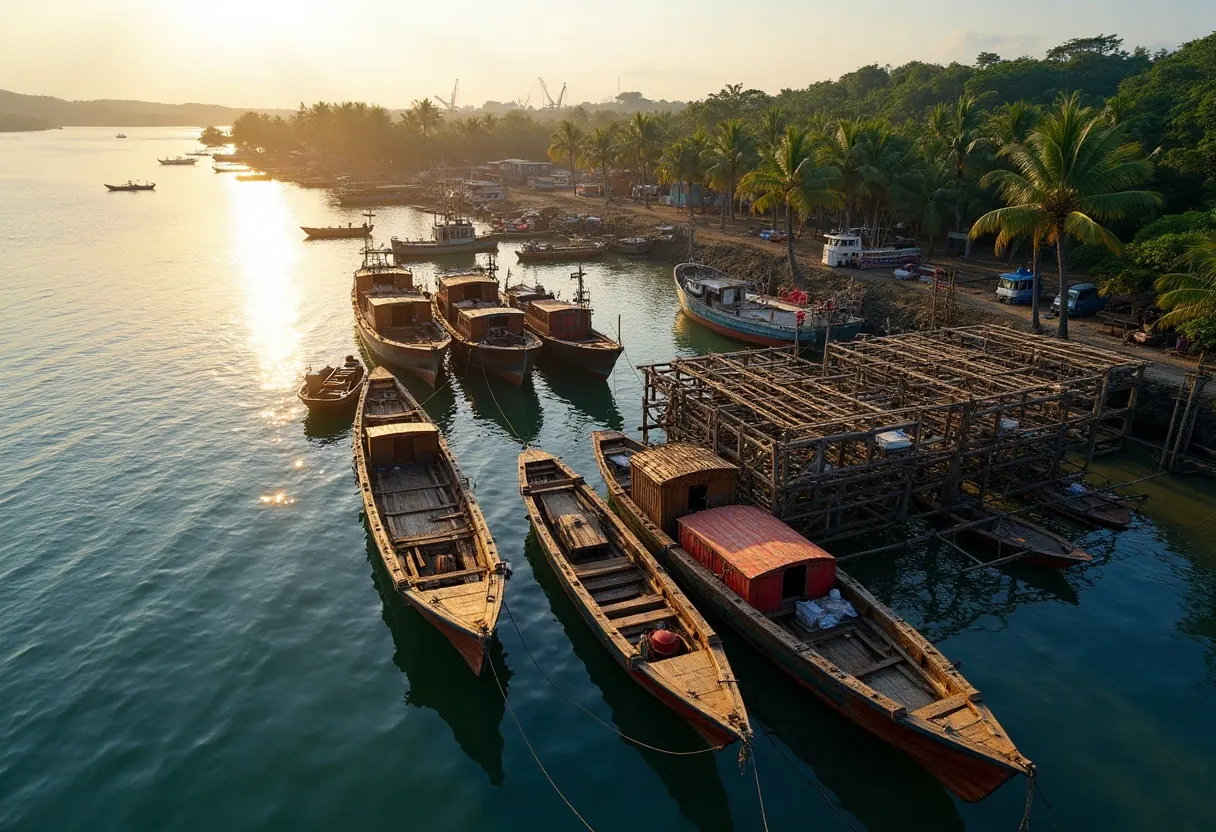
Experience the art of traditional Indonesian boat building — a craft recognised by UNESCO as an Intangible Cultural Heritage. Our traditional builds in Tana Beru and Bira, South Sulawesi honour the techniques of the Konjo people while meeting modern safety and comfort standards.
For centuries, the Bugis-Makassar communities of South Sulawesi have built wooden sailing vessels using techniques passed down through generations. The Panrita Lopi (master shipbuilders) construct hulls without written plans, relying on inherited knowledge, spiritual rituals, and an intimate understanding of wood, water, and wind.
While honouring traditional methods, our builds incorporate modern marine systems: diesel engines, generators, navigation electronics, air conditioning, and safety equipment meeting international standards.
Traditional wooden boat building in Indonesia represents one of the world’s oldest and most sophisticated maritime construction traditions, with roots stretching back over 500 years to the great seafaring civilizations of the Bugis, Makassar, and Malay peoples. Unlike Western shipbuilding which evolved around iron and steel, Indonesian boat builders developed extraordinarily refined techniques for constructing ocean-going vessels entirely from tropical hardwoods, creating ships capable of navigating some of the world’s most challenging waters.
The traditional Indonesian approach to wooden boat building follows a shell-first construction method that is fundamentally different from the Western frame-first technique. Master builders begin by laying the keel from a single massive piece of ironwood (ulin), then build the hull planking upward using a sophisticated system of edge-doweled planks before inserting internal frames. This method produces hulls with exceptional strength and flexibility, ideally suited to oceanic conditions where a rigid structure would be more prone to stress fractures. The technique requires extraordinary skill and spatial visualization, as the builder must shape the three-dimensional hull form plank by plank without the guide of pre-erected frames.
Indonesia’s tropical forests provide some of the world’s finest boat-building timbers, each selected for specific structural roles based on centuries of accumulated knowledge. Ironwood (ulin/Eusideroxylon zwageri) is prized for keels and underwater structural members due to its extraordinary density and resistance to marine borers. Teak (Tectona grandis) remains the premier choice for hull planking, decking, and superstructure, valued for its natural oil content, dimensional stability, and elegant appearance. Other important species include merbau for frames, bangkirai for structural members, and various tropical hardwoods for specific applications throughout the vessel structure.
Today’s traditional wooden boat builders increasingly incorporate modern materials and systems while preserving the fundamental construction techniques and aesthetic qualities that make Indonesian wooden vessels unique. Hybrid construction approaches pair traditional wooden hulls with modern epoxy coating systems that dramatically extend hull life, stainless steel fasteners that resist corrosion, marine diesel propulsion systems for reliable power, and contemporary interior fit-outs with air conditioning, freshwater systems, and electrical installations. This fusion of old and new produces vessels that honor centuries of maritime heritage while meeting the comfort and safety expectations of modern owners and charter guests.
The phinisi is the most iconic vessel type in Indonesian traditional boat building, a two-masted sailing ship developed by the Bugis and Makassar peoples of South Sulawesi. Originally designed as cargo and trading vessels capable of carrying hundreds of tons of goods across the archipelago, phinisi have been adapted for luxury charter, private yachting, and expedition cruising while retaining their distinctive hull form and rigging configuration. UNESCO recognized phinisi boat building as Intangible Cultural Heritage of Humanity in 2017, acknowledging both its cultural significance and the extraordinary skill required for its continuation.
Boat Construction Indonesia applies rigorous quality management to all traditional wooden vessel construction projects. Our standards encompass timber certification and moisture content verification, structural integrity assessment at critical construction milestones, mechanical and electrical systems installation to marine grade standards, safety equipment compliance with SOLAS conventions where applicable, and final sea trial verification of performance and seaworthiness. We coordinate with BKI (Biro Klasifikasi Indonesia) and international classification societies to ensure every vessel meets applicable regulatory requirements for its intended service area and operational profile.
A well-built traditional wooden vessel using quality Indonesian hardwoods can last 30 to 50 years or more with proper maintenance. Key factors affecting longevity include timber species selection, construction quality, coating and preservation systems, operating environment, and the regularity of maintenance including annual haul-out, bottom cleaning, and timber inspection. Many traditional phinisi vessels operating in Indonesian waters today were built decades ago and continue to provide reliable service.
Traditional wooden boat construction costs in Indonesia vary widely depending on vessel size, timber species, construction complexity, and fit-out level. A basic 15-meter traditional fishing vessel may cost USD 30,000 to USD 60,000, while a luxury 30-meter phinisi with full modern systems and premium interior finishing can range from USD 400,000 to USD 1,500,000 or more. BCI provides detailed cost estimates tailored to each client’s specific requirements and budget parameters.
Yes, traditional wooden vessels built to recognized standards can be insured through marine insurance providers. Classification by BKI or international societies significantly improves insurability and premium rates. BCI assists clients with the classification and documentation processes that facilitate marine insurance coverage, connecting owners with specialist brokers experienced in Indonesian wooden vessel coverage.
Yes. We integrate modern safety equipment, structural reinforcement, and BKI classification while preserving traditional construction aesthetics and techniques.
Visit our Tana Beru shipyard in South Sulawesi — an active traditional boat building village where you can witness master craftsmen at work.
Whether you envision a classic phinisi sailing yacht, a traditional wooden liveaboard, or a heritage fishing vessel, Boat Construction Indonesia brings unmatched expertise to every traditional wooden boat building project. Our team includes specialists in traditional construction techniques, timber sourcing, hybrid engineering integration, and project management. Contact us today to discuss your vision and receive a comprehensive project proposal including specifications, timeline, and budget estimate.
Quick Overview
Commission Your Build
Free consultation and detailed quotation within 48 hours. Custom builds from our Sulawesi and Bali facilities.
