SOLAS, IMO & BKI Compliance
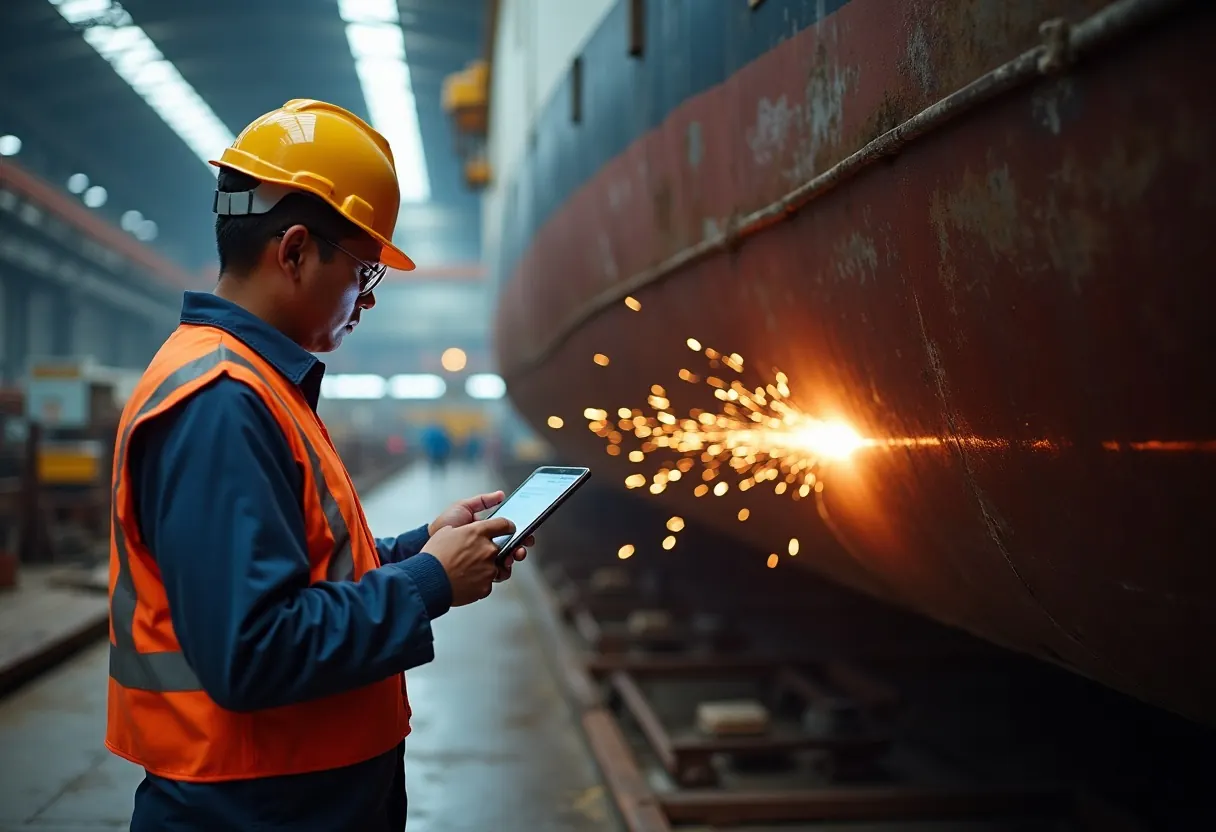
All our vessels are built to meet Indonesian and international marine safety standards including SOLAS (Safety of Life at Sea), IMO (International Maritime Organization) regulations, and BKI classification requirements. Safety is integrated into every aspect of design and construction.
This comprehensive resource covers everything you need to know about marine safety standards indonesia from Boat Construction Indonesia’s expert team. Indonesia is one of the world’s leading destinations for boat construction, combining centuries of maritime heritage with modern engineering and competitive pricing. Whether you are a first-time vessel owner or experienced maritime professional, this guide provides the practical information and expert insights you need.
Indonesia’s boat building industry has grown significantly over the past two decades, with Indonesian shipyards now producing vessels for markets worldwide including Australia, Europe, the Middle East, and Southeast Asia. The industry combines traditional craftsmanship — particularly the UNESCO-recognised Phinisi boat building tradition of South Sulawesi — with modern construction methods and materials. Indonesian yards build in wood, fiberglass, steel, and aluminum across the full spectrum of vessel types from small fishing boats to large superyachts.
When evaluating marine safety standards indonesia, several critical factors demand attention. Classification society requirements determine the structural standards your vessel must meet — BKI for Indonesian waters, or international societies like Lloyd’s Register, DNV, RINA, and ABS for worldwide operation. Material selection affects cost, durability, maintenance requirements, and vessel performance. Construction timeline depends on vessel size, complexity, and chosen materials. Budget planning should account for hull construction, machinery, systems, interior fit-out, classification fees, and delivery logistics.
Boat Construction Indonesia brings extensive experience across all aspects of marine safety standards indonesia. Our naval architects, marine engineers, certified welders, and master craftsmen work from shipyard facilities in Bali and South Sulawesi equipped to handle projects ranging from small coastal craft to large ocean-going vessels. Every project is managed by a dedicated project manager providing weekly progress reports, photo documentation, and milestone coordination.
Understanding the practical details is essential for successful outcomes. Indonesian construction costs typically run 40 to 60 percent below equivalent Western shipyards, making it one of the most cost-effective locations worldwide for quality vessel construction. Payment structures are milestone-based, linked to verified construction progress rather than calendar dates. Construction timelines range from 4 months for small vessels to 24 or more months for large or complex builds.
International clients benefit from BCI’s end-to-end project management covering design, classification, construction, systems installation, testing, and worldwide delivery. Communication is in English with dedicated points of contact available across time zones. Many clients visit their projects two to three times during construction, with comprehensive photo and video updates provided weekly between visits.
Contact Boat Construction Indonesia for a free initial consultation. We discuss your requirements, recommend appropriate approaches, and provide a detailed quotation within 48 hours. Our team responds to all enquiries within 24 hours via email or WhatsApp.
Completed vessels are delivered with classification certificates, stability booklets, equipment manuals, warranty documentation, and maintenance schedules. For international delivery, we prepare customs clearance documentation, bills of lading, and flag state registration paperwork.
Yes. BCI maintains relationships with all vessel owners providing scheduled maintenance, warranty support, systems upgrades, and refit services. Our records cover every vessel built, enabling efficient parts sourcing and technical support.
Yes. Commercial charter vessels require full SOLAS compliance and ISM certification. Private yachts have lighter requirements but we recommend SOLAS-level safety equipment for all vessels.
BKI surveyors inspect and certify safety equipment during construction. For international class vessels, the relevant society (Lloyd, RINA, etc.) conducts additional surveys.
Email: [email protected] | WhatsApp: +62 811 3941 4563
Indonesia is a signatory to major international maritime safety conventions including SOLAS (Safety of Life at Sea), MARPOL (Marine Pollution Prevention), STCW (Standards of Training, Certification, and Watchkeeping), and the Load Line Convention. These international frameworks establish minimum safety requirements for vessel construction, equipment, operation, and crew qualifications. For vessels operating in domestic waters, Indonesian national regulations administered by the Directorate General of Sea Transportation provide additional safety requirements. BCI ensures every vessel construction project is designed and built to comply with all applicable safety conventions and regulations, working closely with classification societies and regulatory authorities throughout the construction process to achieve full certification before delivery.
Staying current with evolving maritime safety regulations requires ongoing attention and professional guidance. BCI monitors regulatory developments at both national and international levels, advising clients on compliance requirements for their specific vessel type and operating area. Our proactive approach to regulatory compliance ensures vessels remain certified and operational throughout their service life without costly surprises or enforcement actions.
For vessel owners and operators who need assistance understanding or complying with Indonesian and international maritime safety requirements, BCI provides dedicated regulatory compliance consulting services. Our safety compliance team monitors regulatory changes, conducts gap assessments against current requirements, prepares vessels for classification and flag state surveys, and manages the documentation required to demonstrate full compliance with all applicable safety standards and conventions.
Talk to Our Team
Free consultation and detailed quotation within 48 hours. Custom builds from our Sulawesi and Bali facilities.
