In short: Delivery day is the midpoint, not the finish line. After an Indonesian new build leaves the yard, the vessel still needs registration, crew, a survey file, a maintenance plan — and, for most owners, a charter program that puts the boat to work. Here is the honest, step-by-step picture of what happens after your build.
Handover: sea trials, survey and the paper trail
Every serious Indonesian build ends the yard phase the same way: sea trials with the builder’s team aboard, a snag list worked through item by item, and a formal handover survey. Insist on a complete document file at delivery — build contract and specification, timber and equipment invoices, engine and systems manuals, stability data, and the surveyor’s report. This file is what your insurer, your flag registry and any future buyer will ask for first.
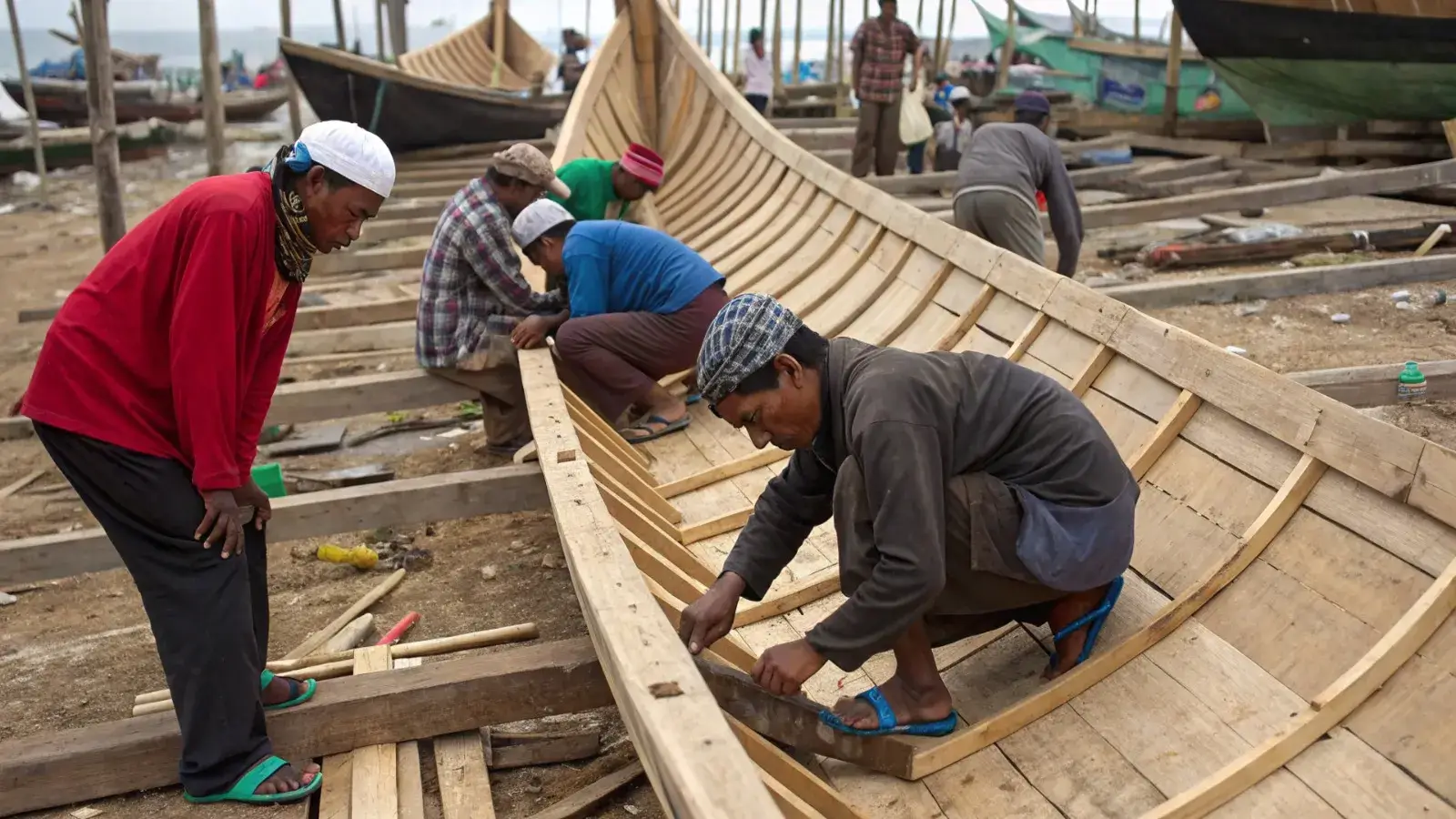
For wooden vessels built in Bulukumba, the handover also carries a cultural close: the same master builders (Panrita Lopi) who laid your keel walk the finished hull with you. It is worth being there in person.
Flag, registration and the ownership structure
What you do next depends on how the boat will be used. An owner who plans private international cruising can export the vessel and register it under a foreign flag. An owner who wants the boat earning in Indonesian waters needs the commercial route: an Indonesian flag (cabotage law reserves domestic charter for Indonesian-flagged vessels), a licensed operating entity — foreigners typically hold up to 49% through a PT PMA company — and the charter licensing that goes with it. None of this is exotic; it is standard process, but it takes weeks, not days, so start before delivery rather than after.
The delivery passage
Most new builds leave South Sulawesi on their own keel. Bulukumba to Labuan Bajo is a short, well-travelled passage; Bulukumba to Bali only slightly longer. Use the delivery trip deliberately: it is the first real shakedown after sea trials, and small issues that surface underway — a weeping stern gland, a chafing halyard, a pump that cycles too often — are far cheaper to fix in the first month than in the first year.
Crew before charter
A wooden vessel is only as good as the crew who live aboard her. Before any commercial work, you need a licensed captain and engineer, deckhands who understand timber hulls, and — if the boat will host guests — hospitality crew. Labuan Bajo has become the main hiring market for Komodo operations, and experienced phinisi crew are in demand every high season. Budget crew salaries, food and insurance into your operating plan from day one.
The first-year maintenance rhythm
Ironwood hulls are famously durable, but they reward routine. A realistic first-year rhythm looks like this: monthly systems checks and engine servicing by the crew; a first-year haul-out for antifouling, hull inspection and recaulking checks; and a running defects log against the builder’s warranty so anything covered is claimed while the warranty window is open. Owners who skip the log almost always pay for items the yard would have fixed.
Putting the boat to work: the charter decision
This is where most owners face the real question: who fills the calendar, manages bookings, handles guests and keeps the vessel compliant? Running an owner-operated charter is a full business — marketing, licensing, crew management, provisioning and guest operations. The alternative is professional management. Because Boat Construction Indonesia is part of the Komodo Luxury group, owners can turn your new build into a charter business with Komodo Luxury — the group’s boat investment and management program covers licensing, crewing, calendar management and charter operations, with honest economics: well-run Komodo charter vessels have historically achieved net returns in the 6–14% range depending on class, occupancy and cost control. No outcome is guaranteed; the numbers depend on how the boat is specified, priced and run.
Why “build-to-charter” starts at the design table
The best charter boats were designed as charter boats. Guest cabin count, crew quarters separation, dive deck layout, tender storage, generator sizing for air-conditioned nights at anchor — all of it is cheaper to get right on paper than to retrofit. This is the argument for keeping build and operation inside one group: Komodo Luxury’s boat construction division feeds operating data from the charter fleet back into new-build specifications, so the boat you launch is the boat the market actually books.
A realistic post-delivery timeline
- Month 0: handover survey, document file, delivery passage.
- Months 1–2: registration and licensing completed; crew hired and trained aboard.
- Months 2–3: shakedown itineraries, safety drills, charter listing and photography.
- Months 3–6: first commercial charters; defects log run against warranty.
- Month 12: first annual haul-out — antifouling, hull inspection, systems review.
The bottom line
An Indonesian new build rewards owners who treat delivery as the start of an operating plan, not the end of a construction project. Sort the flag and structure early, hire crew before you need them, keep the maintenance log honest, and decide deliberately — owner-run or professionally managed — before the first guest steps aboard. Owners who want one accountable group across the whole chain, from keel laying in Tana Beru to a managed charter calendar in Komodo, already know where to start the conversation: [email protected] or WhatsApp +62 811 3941 4563.

Written by
