Material Selection Guide
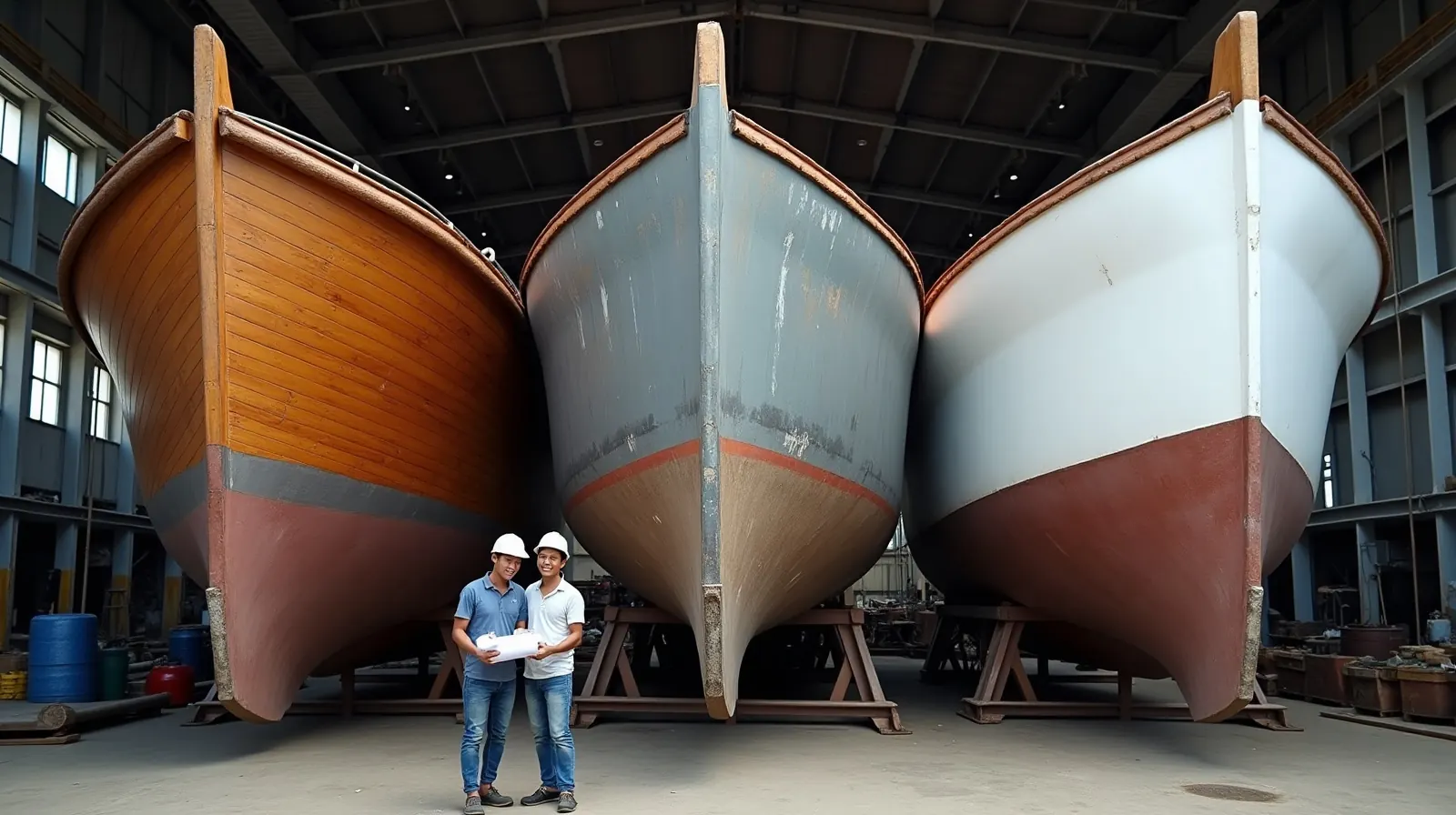
Choosing the right construction material is one of the most important decisions in your boat build. Each material — wood, fiberglass, and steel — has distinct advantages depending on vessel type, size, intended use, and budget.
Learn about aluminum construction. Full materials guide.
This comprehensive resource covers everything you need to know about wooden vs fiberglass vs steel boat indonesia from Boat Construction Indonesia’s expert team. Indonesia is one of the world’s leading destinations for boat construction, combining centuries of maritime heritage with modern engineering and competitive pricing. Whether you are a first-time vessel owner or experienced maritime professional, this guide provides the practical information and expert insights you need.
Indonesia’s boat building industry has grown significantly over the past two decades, with Indonesian shipyards now producing vessels for markets worldwide including Australia, Europe, the Middle East, and Southeast Asia. The industry combines traditional craftsmanship — particularly the UNESCO-recognised Phinisi boat building tradition of South Sulawesi — with modern construction methods and materials. Indonesian yards build in wood, fiberglass, steel, and aluminum across the full spectrum of vessel types from small fishing boats to large superyachts.
When evaluating wooden vs fiberglass vs steel boat indonesia, several critical factors demand attention. Classification society requirements determine the structural standards your vessel must meet — BKI for Indonesian waters, or international societies like Lloyd’s Register, DNV, RINA, and ABS for worldwide operation. Material selection affects cost, durability, maintenance requirements, and vessel performance. Construction timeline depends on vessel size, complexity, and chosen materials. Budget planning should account for hull construction, machinery, systems, interior fit-out, classification fees, and delivery logistics.
Boat Construction Indonesia brings extensive experience across all aspects of wooden vs fiberglass vs steel boat indonesia. Our naval architects, marine engineers, certified welders, and master craftsmen work from shipyard facilities in Bali and South Sulawesi equipped to handle projects ranging from small coastal craft to large ocean-going vessels. Every project is managed by a dedicated project manager providing weekly progress reports, photo documentation, and milestone coordination.
Understanding the practical details is essential for successful outcomes. Indonesian construction costs typically run 40 to 60 percent below equivalent Western shipyards, making it one of the most cost-effective locations worldwide for quality vessel construction. Payment structures are milestone-based, linked to verified construction progress rather than calendar dates. Construction timelines range from 4 months for small vessels to 24 or more months for large or complex builds.
International clients benefit from BCI’s end-to-end project management covering design, classification, construction, systems installation, testing, and worldwide delivery. Communication is in English with dedicated points of contact available across time zones. Many clients visit their projects two to three times during construction, with comprehensive photo and video updates provided weekly between visits.
Contact Boat Construction Indonesia for a free initial consultation. We discuss your requirements, recommend appropriate approaches, and provide a detailed quotation within 48 hours. Our team responds to all enquiries within 24 hours via email or WhatsApp.
Completed vessels are delivered with classification certificates, stability booklets, equipment manuals, warranty documentation, and maintenance schedules. For international delivery, we prepare customs clearance documentation, bills of lading, and flag state registration paperwork.
Yes. BCI maintains relationships with all vessel owners providing scheduled maintenance, warranty support, systems upgrades, and refit services. Our records cover every vessel built, enabling efficient parts sourcing and technical support.
For small boats (<15m): fiberglass. For large boats (>25m): steel. For traditional Phinisi: wood is the natural choice at competitive pricing.
Steel and aluminum: 40-60+ years. Fiberglass: 30-50 years. Teak/ironwood: 50-100+ years with proper maintenance.
Email: [email protected] | WhatsApp: +62 811 3941 4563
Building a vessel in Indonesia represents a significant financial commitment that benefits from careful planning and professional guidance. BCI helps clients develop comprehensive project budgets that account for all direct construction costs, contingency reserves (typically 10-15 percent of build cost), classification and survey fees, insurance during construction, delivery and transport costs, initial commissioning expenses, and first-year operational budget. Our transparent approach to project finance ensures clients enter construction projects with realistic expectations and adequate resources to complete their vessel to the highest standards without compromising on quality due to budget constraints.
Sound financial planning protects your investment and ensures your vessel project reaches successful completion without compromising on quality or safety. Contact BCI today for a confidential discussion about your project budget and financing options. Our team provides honest, detailed financial guidance based on real market data and extensive project experience across all vessel types and construction methods available in Indonesia.
Every boat construction project managed by BCI includes detailed financial reporting with monthly budget tracking, payment certification at each milestone, and a final cost reconciliation upon project completion. This disciplined financial management approach has earned the trust of vessel owners and investors across multiple countries and construction projects ranging from modest traditional builds to multi-million dollar luxury yachts.
Talk to Our Team
Free consultation and detailed quotation within 48 hours. Custom builds from our Sulawesi and Bali facilities.
