
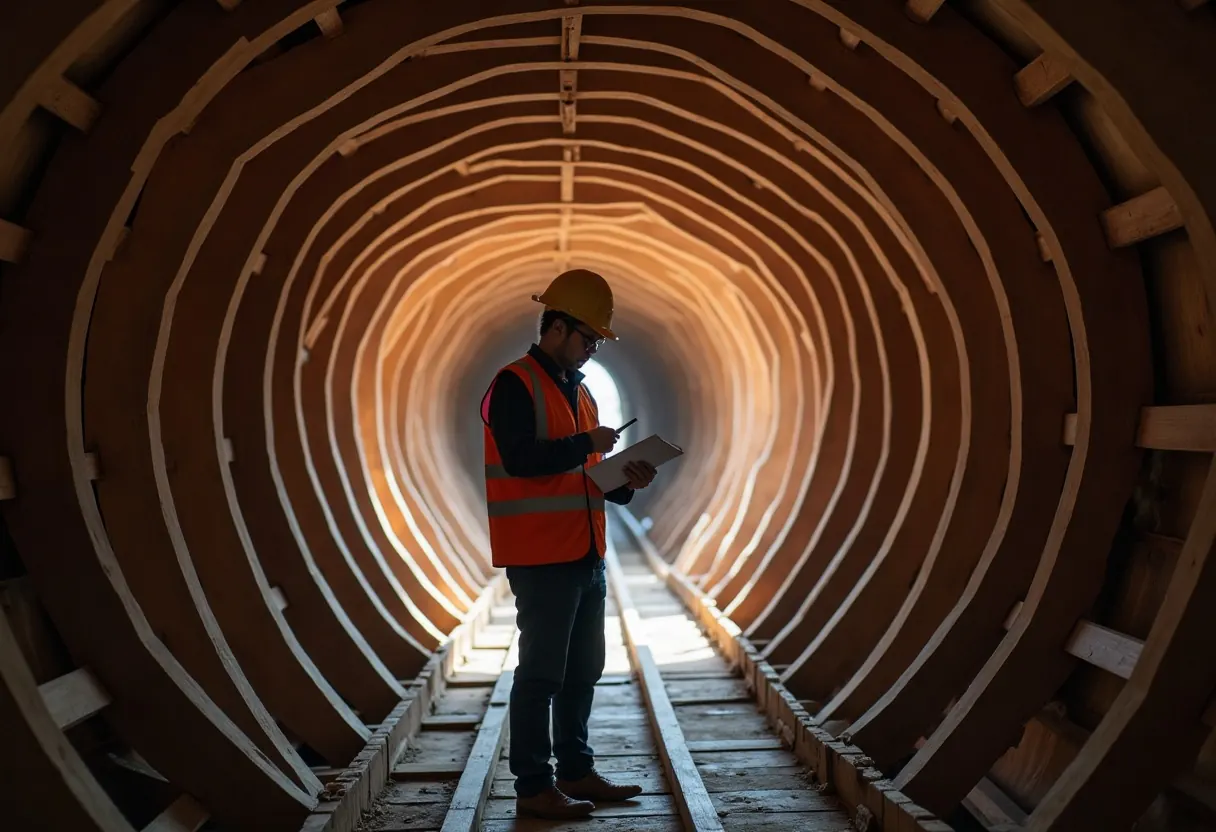
In short: A QA hold point is a mandatory stop in a boat build: work on the affected system freezes until a named inspector examines it and signs a release. Hold points differ from stage gates — gates control phases and payments, hold points control specific technical risks like weld roots, fastener schedules, tank tests and lamination windows. On our Indonesian builds, roughly twenty hold points per vessel are written into the inspection and test plan, and no one, including the yard owner, can waive them.
Every experienced builder knows the sickening moment a problem is discovered one layer too late — the wiring loom buried behind finished joinery, the questionable weld sealed inside a closed tank. Hold points exist to make that moment structurally impossible. This article explains how we define, schedule and enforce QA hold points across our Indonesian yard network, and why they are the working heart of the quality system that sits underneath our stage gate framework.
Hold points versus witness points versus gates
Three instruments make up an inspection and test plan (ITP), and confusing them causes real damage. A hold point stops work: the yard may not proceed past it without a signed release from the designated inspector. A witness point invites inspection: the inspector is notified and may attend, but work proceeds if they do not. A stage gate sits above both, controlling phase transitions and payments across the whole project, as covered in our process and timeline guide.
The art of a good ITP is choosing which checks deserve the full stop. Too few hold points and critical work closes up unverified; too many and the build strangles on inspection scheduling. Our standard plans reserve hold status for work that is irreversible, safety-critical, or about to be hidden.
The hold points we never negotiate away
Timber acceptance. On wooden builds, every structural timber lot is held at delivery: species verification, moisture content, defect grading and legality documentation, per our materials standards. Wood that enters the build unverified can never be fully verified again.
Keel scarfs and floor fastenings. The backbone’s joints are inspected open, before anything covers them. On the beach yards of Bulukumba this is where our inspectors and the master builders developed genuine mutual respect — the Panrita Lopi know these joints decide the ship’s life.
Weld root runs and NDT on steel hulls. Root passes on hull plating and tank boundaries are held for visual inspection, with ultrasonic or dye-penetrant testing at the percentages our steel construction guide describes. A covered root defect is a future crack.
Lamination windows on FRP hulls. Fibreglass chemistry is unforgiving: resin batches, ambient conditions and layup sequence are held and logged per laminate stage, in line with the practices on our fibreglass page.
Tank and pipe pressure tests. Every tank, every fuel and water line, tested and witnessed before insulation or joinery closes access. No exceptions — this is the hold point most often “forgotten” on unsupervised builds, and the defect we most often inherit through our build completion service.
Pre-closure inspections. Before any lining, sole or ceiling panel is fixed, the void behind it is photographed and released. The photo archive becomes part of the handover file and, years later, the refit surveyor’s best friend.
Who holds the pen: independence and class alignment
A hold point is only as strong as the signature that releases it. On our builds the release authority is our own site inspector — employed by us, paid by the project owner, never by the yard. On classed vessels, statutory hold points belong to the BKI surveyor, and we align our ITP so class and company inspections share visits where possible, keeping cost and schedule tight.
We also log every release in a shared digital record: inspector, date, photographs, measurements, and any concession granted. When a vessel comes back to us for refit or repair years later, that record routinely saves days of exploratory opening-up.
What hold points cost — and what they save
Across a typical 30 to 40-metre build, the full hold-point regime adds roughly two to four percent to project cost in inspection time and scheduling friction. Against that, a single caught defect — one bad tank weld, one unverified fastener schedule — routinely saves multiples of that figure. The asymmetry is so lopsided that we consider the question closed: on any vessel a family or a business will depend on, the regime pays for itself before launch. It is the same logic that underpins our approach to marine safety standards: the expensive failure is always the one you did not inspect for.
Put a real ITP behind your build
If you are commissioning a vessel anywhere in Indonesia, ask to see the inspection and test plan before you sign anything — and if the yard cannot produce one, talk to us. Request a free project quote, reach us on WhatsApp at +62 811 3941 4563, or email [email protected]. We will show you the hold-point schedule we would apply to your exact vessel type.
Frequently Asked Questions
How many QA hold points does a typical boat build need?
Our standard inspection and test plans carry eighteen to twenty-five hold points for a 30 to 40-metre vessel, spanning material acceptance, structure, welding or lamination, tanks and piping, systems, and pre-closure checks. Smaller craft need fewer; classed and commercial vessels add statutory points.
Can a yard ever proceed past a hold point without a release?
Not on our contracts. Work done past an unreleased hold point is treated as unverified: the contract entitles the owner to require opening-up, re-testing or replacement at the yard’s cost. Making the consequence explicit is precisely what keeps it from ever being needed.
Who pays for the inspectors at each hold point?
The project owner, through the supervision line of the build budget. Independence is the entire value: an inspector paid by the yard is auditing their own employer. Class surveyor fees for statutory points are likewise a normal owner-side cost, typically settled in USD as part of the class contract.
Do hold points apply to refit and repair projects too?
Yes, and arguably they matter more, because refit work interfaces with existing, ageing structure. We apply the same held inspections to structural repairs, tank work and system replacements on every refit we supervise.

Written by
