
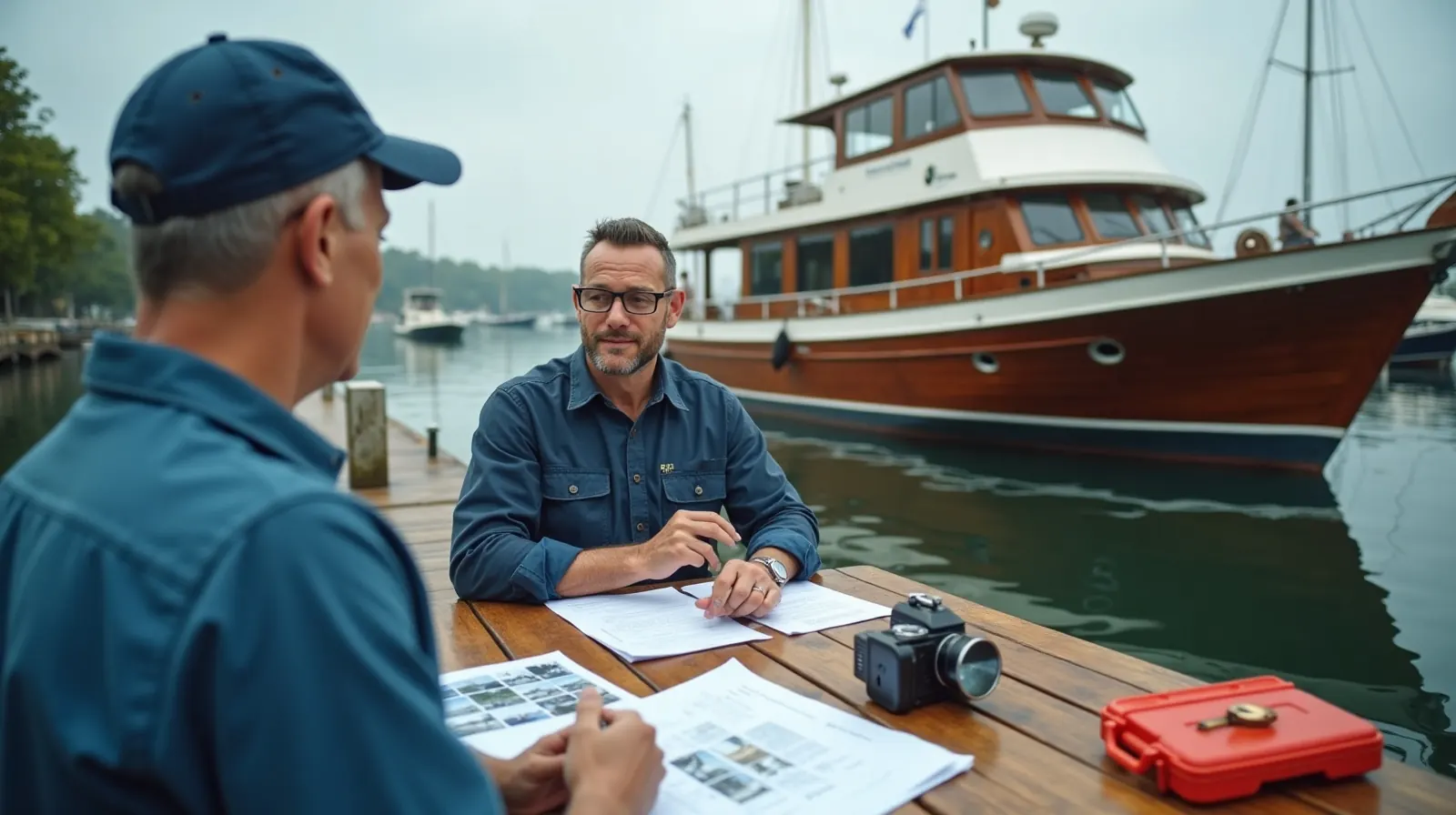
In short: A boatyard warranty in Indonesia is only as strong as your paperwork. To bring a successful claim you need a written warranty clause with clear scope and duration, prompt written notice of the defect, independent evidence of cause, and proof that the vessel was maintained to schedule. Claims fail on process far more often than on merit — so run the process properly from day one.
Every reputable build contract includes a warranty period, typically twelve to twenty-four months from acceptance. Yet when a defect appears — a weeping fuel tank, a delaminating deck, a gearbox that runs hot — many owners discover that holding a warranty and enforcing one are different things. Having managed claims from both sides as builders and as owner’s representatives, we can say plainly: the owners who recover are the ones who treat the claim as a documented process, not an argument. Here is how that process works in the Indonesian context.
What an Indonesian yard warranty actually covers
Read the clause before you need it. A typical warranty covers defects in workmanship and materials supplied by the yard, for a fixed period from handover. It normally excludes: equipment covered by manufacturers’ own warranties (engines, generators, electronics — claims go to the maker’s agent, with the yard assisting), normal wear, damage from misuse or poor maintenance, and modifications made by others. The governing law and dispute forum matter too, a subject we treat fully in our article on shipyard contract law in Indonesia.
Scope wording decides cases. “Structural defects” is narrower than “defects in workmanship and materials”. If your contract is still being drafted, negotiate the wider wording, an explicit response-time obligation, and a survivable remedy: repair at the yard, repair locally at the yard’s cost, or a cash settlement priced by an independent surveyor.
The evidence chain: notice, cause, maintenance
Notice first, fast, in writing. Most warranty clauses require notification within a fixed number of days of discovery. A WhatsApp message is better than nothing, but follow it the same day with an email stating the defect, the date found, and photographs. Late notice is the single most common reason yards lawfully refuse claims.
Prove cause independently. The yard’s own inspection will, human nature being what it is, lean toward external causes. Commission an independent surveyor — our marine survey and inspection service performs defect-cause surveys precisely for this purpose — and have them document the failure mode before anything is disturbed or repaired. A moisture map, a fastener sample, or a weld section examined by a third party turns an argument into a file.
Show your maintenance record. The yard’s first defence is “the crew neglected it”. A complete log of engine hours, servicing, anode changes and inspections — ideally the same digital diary we recommend during construction in our piece on build documentation — removes that defence before it is raised. The commissioning file from your post-launch shakedown establishes the baseline condition the vessel left the yard in.
Negotiating the remedy without burning the relationship
Indonesian boatbuilding runs on long relationships, and the practical remedy is usually negotiated, not litigated. Our approach as owner’s representative: present the surveyor’s report, propose a specific remedy with a deadline, and keep the tone commercial. Yards that know a claim is documented almost always repair it — their reputation among the small community of owners is worth more than the cost of the fix. Escalation to formal proceedings is the last resort, and if the contract retained a final payment or an escrowed milestone against warranty performance, you rarely need it.
Where the defect is beyond the original yard’s capability — or trust has genuinely broken — repair can be relocated. We regularly price warranty-stage remedial work through our repair and refit service and through the completion teams that handle takeover projects, then pursue the cost from the original builder on the owner’s behalf.
Timelines: how long a claim really takes
With clean paperwork, a straightforward workmanship claim in Indonesia typically resolves in four to ten weeks: one to two weeks for notice and inspection, two to four for the independent survey and yard response, and the balance for the repair itself. Contested claims without independent evidence can drift for a year. The difference is almost never the defect — it is the file. Insurance can also respond in parallel where the failure caused consequential damage; see our companion article on construction and hull insurance for where policies take over from warranties.
Facing a defect right now?
If something on your Indonesian-built vessel has failed inside the warranty period, act before evidence degrades. Request a free assessment, message us on WhatsApp at +62 811 3941 4563, or email [email protected] with photos and your build contract’s warranty clause. We will tell you honestly whether the claim has legs, arrange an independent defect survey, and manage the yard negotiation end to end.
Frequently Asked Questions
How long is a typical boatyard warranty in Indonesia?
Twelve months from acceptance is common; well-negotiated contracts achieve twenty-four months on structure and watertight integrity. Equipment items carry their manufacturers’ warranties, usually one to five years, claimed through the maker’s regional agent with the yard’s assistance.
Does sailing the boat abroad void an Indonesian yard warranty?
Not by default — but check for clauses requiring warranty work to be performed at the building yard. The practical fix is a clause allowing repairs at any competent yard at the builder’s documented cost, agreed before signature.
Can I withhold money instead of claiming?
Only if the contract created a warranty retention or escrow for that purpose. Withholding sums the contract does not entitle you to hold puts you in breach and weakens an otherwise strong claim. Structure the leverage at drafting stage instead.
What does an independent defect survey cost?
Most single-defect cause surveys in Indonesia run between USD 1,500 and USD 5,000 depending on location and the level of opening-up required. Set against a five- or six-figure repair, it is the piece of paper that pays for itself most reliably.

Written by
